Friday, March 11, 2011

Pregnancy Tamil Kavithaigal


March 12
Saint Luigi Orione


SECOND READING
From the notes of Blessed Luigi Orione of February 25, 1939
"I do not know how to see and love in the world that the souls of our brothers.
Anime of small, poor souls, the souls of sinners, the souls of the righteous, misguided souls, the souls of the penitents, souls of rebels to the will of God, the souls of rebels to the Holy Church of Christ, the souls of children degenerate, wretched souls of priests and treacherous, anime subjected to pain, souls as white as doves, simple souls, pure, angelic virgin fallen souls in the sense of darkness and brutality of the low meat, proud souls in evil, power-hungry souls and gold, souls full of themselves that only they see themselves, lost souls looking for a way, aching souls who seek a shelter or a word of mercy, souls screaming in despair-ing of the sentence or intoxicated by the thrill of souls lived truth: all are loved by Christ, Christ died for all, all Christ wants to save in His arms and his pierced heart.
Our life and our whole congregation should be a song together and a holocaust of universal brotherhood in Christ. See and hear Christ in man. We must have the music deep within us e altissima della carità. Per noi il punto centrale dell'universo è la Chiesa di Cristo e il fulcro del dramma cristiano, l'anima.
Io non sento che una infinita, divina sinfonia di spiriti, palpitanti intorno alla Croce. E la Croce stilla per noi goccia a goccia attraverso i secoli, il sangue divino sparso per ciascuna anima umana.
Dalla Croce Cristo grida: "Sitio”. Terribile grido di arsura, che non è della carne, ma è grido di sete di anime, ed è per questa sete delle anime nostre che Cristo muore.
Io non vedo che un cielo: un cielo veramente divino, perché è il cielo della salvezza e della pace vera: io non vedo che a kingdom of God, the kingdom of love and forgiveness, where the multitude of people is the heritage of Christ and the kingdom of Christ. " (SCR, 57, 103)

Or
"Place me, O Lord, on the mouth of hell, for I
for your mercy, close it."

"The pure joy that can not be perfect in the dedication of oneself to God and man , for the poorest as the most physically and morally deformed, those farthest away, the more guilty, for the most adverse. Place me, O Lord, on the mouth of hell, because I, for close to your mercy. What's my secret martyrdom for the salvation of souls, both my heaven and my supreme bliss. Love of anime, anime! anime! I'll write my life with tears and blood. The injustice of men does not weaken us full confidence in the goodness of God are fed and carried by the breath of hope and rinnovataci immortal.
Our Love is a sweet and crazy love of God and man that is not of the earth. The charity of Christ is of such ineffable sweetness, and so that the heart can not think or speak, nor eye seen, nor ear heard. Words always flaming. Suffer, be silent, pray, love, crucified e adorare. Lume e pace di cuore. Salirò il mio Calvario come agnello mansueto. Apostolato e martirio: martirio e apostolato. Le nostre anime e le nostre parole devono essere bianche, caste, quasi infantili, e devono portare a tutti un soffio di fede, di bontà, di conforto che elevi verso il cielo. Teniamo fermo l'occhio e il cuore nella divina bontà". (cfr SCR, 57, 103 s)

RESPONSORIO
Cristo vuole salvare fra le sue braccia
e sul suo cuore trafitto tutti gli uomini.

Dalla Croce grida: * "Sitio" per la sete di anime.
Scriverò la mia vita con le lacrime e con il sangue:
"Sitio" per la sete di anime.

ORAZIONE      O Dio, che hai concesso al beato Luigi Orione, sacerdote, di amare il Cristo tuo Figlio nella persona dei poveri e di formarlo nel cuore dei giovani; dona a noi di esercitare come lui le opere di misericordia, per far sperimentare ai fratelli la tenerezza della tua Provvidenza. Per il nostro Signore…

Thursday, March 10, 2011

How Can I Make My Voice Higher


11 MARZO
SAN SOFRONIO
Patriarch of Jerusalem
(ca. 550-639 )


Recent studies have confirmed that Sofronio, patriarch of Jerusalem, is the same Sofronio said "the sophist, one of the most interesting personalities of the time, educated, open minded and passionate defender of orthodoxy.
Sofronio was born in Damascus to il 550. Sebbene avesse abban­donato la sua città natale molto giovane, vivendo prevalentemente altrove e viaggiando molto, pare sia sempre stato orgoglioso del suo luogo di origine, «dove Paolo arrivò cieco e da dove partì gua­rito, dove un persecutore in fuga divenne un predicatore; la città che diede rifugio all'apostolo e da cui fuggì in un cesto calato dal­la finestra, meritandosi così le grazie dei santi e acquistando una grande fama [...]». Sofronio studiò soprattutto a Damasco, dove venne istruito nella cultura greca e siriaca.

Voleva farsi monaco e fece visita alla laura di S. Teodosio in Giu­dea, dove incontrò Giovanni Mosco, con cui instaurò un legame di amicizia che sarebbe durato quarant'anni. È difficile valutare l'influenza che ebbero l'uno sull'altro: Sofronio era senza dubbio più colto, ma considerava Mosco la sua guida spirituale e il suo consigliere. Probabilmente ciò che li legava maggiormente era l'interesse che condividevano per l'integrità della fede come era stata enunciata in maniera definitiva dal concilio di Calcedonia. Iniziarono anche una collaborazione nel campo del "giornalismo monastico": Mosco era infatti desideroso di continuare le storie dei Padri del deserto a uso delle generazioni future. I contrasti nel mondo mediorientale spinsero i due amici da una regione all'altra and a monastery to another. Between 578 and 584 were in Egypt, where he studied under the guidance of Aristotelianism Sofronio Stefano in Alexandria, and both became friends of Theodore and Zoilo the philosopher, a scholar, calligrapher. Some of the stories in Moscow are due to their stay in Egypt, and it is clear that Sofronio accompanied him on his visits to various monasteries and hermitages. In this time, probably Sofronio began to lose his sight: doubting they can get help from doctors, visited the tomb of the SS. Cyrus and John (January 31) to Menuti and was healed. He wrote in the Thanksgiving story of seventy miracles attributed to these two saints, including the last one is just the suo. Dal 584 in poi è difficile ricostruire i movimenti dei due uomini. Sofronio divenne monaco nel monastero di S. Teodosio, come racconta nella sua opera sui miracoli dei Ss. Ciro e Giovanni, mentre Giovanni Mosco si ritirò per dieci anni in un monastero sul Sinai per poi visitare i monasteri della Cilicia e della Siria.
Quando i persiani iniziarono le loro incursioni nell'impero roma­no nel 604, Mosco si rifugiò ad Antiochia di Siria; lo ritroviamo poi insieme a Sofronio in Egitto, dove rimasero per dieci anni al servizio del patriarca di Alessandria, Giovanni l'Elemosiniere, no­minato nel 610, uno dei pochi vescovi calcedonesi in un paese a maggioranza monofisita.
I persiani occuparono i luoghi santi nel 614, dirigendosi verso l'Egitto. Giovanni l'Elemosiniere fuggì a Cipro insieme a Sofronio e a Giovanni Mosco, che visitarono anche le altre isole e infine de­cisero di partire per Roma . Là Giovanni si ammalò gravemente e consegnò i suoi manoscritti di aneddoti monastici, II prato spiri­tuale, a Sofronio, chiedendogli anche di essere seppellito sul mon­te Sinai o, se non fosse stato possibile, nel suo monastero di S. Teodosio in Palestina. Era l'anno 619.

L'imperarore Eraclio regnava da nove years, had fought the Persians, but like others before him, he understood that the empire would not survive without religious peace. With the support of Sergius, the patriarch of Constantinople, brought the Monothelitism forced through 638 in the whole empire and threatening in this way, the Chalcedonian doctrine, Sofronio responded with force: in 633 had already been addressed, even though with poor results, Cyrus of Alexandria, when he wanted to implement a union with the Monophysite monoenergismo on the basis of (the doctrine that there is one energy, a single agent activity in Christ.) He then went to Constantinople to meet with Sergio, but was not received.
Nel 634 Sofronio venne eletto patriarca di Gerusalemme, ruolo che gli permetteva di continuare la sua battaglia con maggior po­tere. Sergio sospettava che Sofronio volesse prendere contatti con Roma, così decise di presentare per primo le sue ragioni. Sfortunatamente papa Onorio prestò maggior attenzione a lui che a Sofronio , la cui lettera sinodale (che il nuovo patriarca mandava ai suoi vescovi per presentare le sue posizioni teologiche allo sco­po di ottenere una comunione stabile) arrivò tardi. Sergio però stava diventando, con sempre maggiore evidenza, eretico e Sofro­nio decise che era suo dovere intervenire nuovamente : avrebbe wanted to present the situation in person in Rome, but the threat of Saracens, who were advancing towards Jerusalem dissuaded him.

therefore entrust the job to Stephen of Dora took him to Mount Calvary and there made him swear he would do everything possible. Stefano told the fathers of the Lateran Council of 649's will Sofronio : "There I made her promise with a solemn oath:" If you forget or despise the faith that now is threatened, you will have to account to him who, though God, was crucified in this holy place, as she was coming next he shall judge the living and the dead.
Come tu sai, non posso compiere questo viaggio a causa dell'inva­sione dei saraceni [..,]. Vai senza indugio fino all'altra estremità della terra, alla sede apostolica, il fondamento dell'insegnamento ortodosso e dì ai santi uomini che sono là non una, non due, ma molte volte ciò che sta accadendo; dì loro tutta la verità e nulla più. Non esitare, domanda loro e pregali insistentemente di utiliz­zare la loro ispirata sapienza per emettere un giudizio definitivo e annientare questo nuovo insegnamento che ci è stato inflitto". Impressionato dal solenne appello che Sofronio aveva pronuncia­to in quel luogo santo e venerabile, e considerato il potere episco­pale that by the grace of God I was given, I went immediately to Rome. I come before you for the third time, bowed in front of the Apostolic begging, and many others did as Sofronio, "come to the aid of the Catholic faith threatened". " After a wait of ten years, Stephen finally saw the heresy condemned by Pope St. Martin I, at the same Lateran Council.

Sofronio come to terms with the Saracens in order to prevent a massacre of the people and died a few months after . In addition to its Life martyrs Cyrus and John, has left several homilies, a beautiful prayer for the blessing dell'acqua nella festa del Battesimo del Signore e inni e cantici di grande bellezza. I suoi tropari per la set­timana santa sono la fonte degli Improperi che si recitano tuttora nella liturgia del Venerdì Santo.
                                                                     
Prayer
O Lord, thou hast made Sofronio, bishop of Jerusalem, an invincible defender of the true faith, thou hast gathered from all nations to proclaim your name make us worthy to will and to do what you want, so that our minds are driven by one faith and we live in one love. For our Lord, Jesus Christ, your Son, who is God, who lives and reigns with you and the Holy Spirit, for ever and ever.

Building A Corrugated Iron Fence


Music of Mass Wednesday delle Ceneri  a s. Sabina all' Aventino 


Audi Benigne conditor, un bellissimo inno quaresimale che ogni parrocchia può prendere:


Inoltre, l'introito gregoriano per il giorno:

Contract Of Employment Of Company Driver


Ad un mese
dalla peregrinatio delle Reliquie
si san Pio da Pietrelcina
a Ferrandina

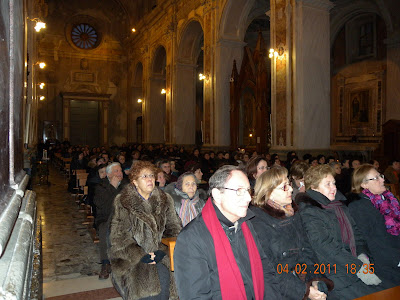
4 febbraio: Arrivo delle Reliquie


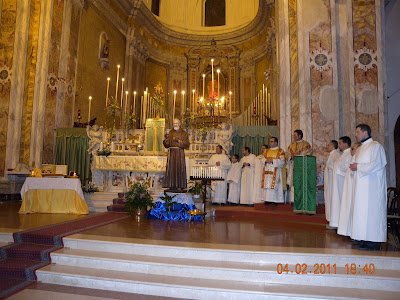
p. Agostino celebra la Messa di Inizio


I Fedeli venerano le Reliquie


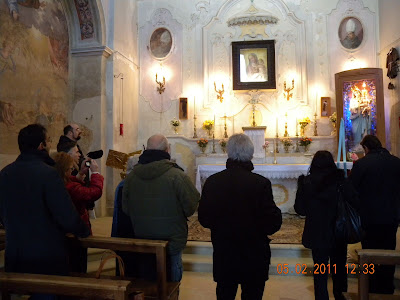
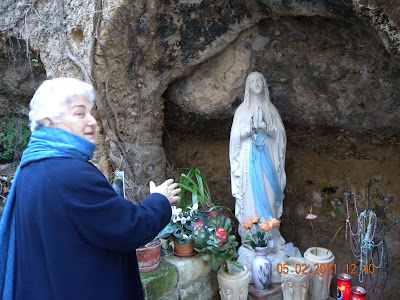
Pellegrinaggio alla Madonna "dei mali":


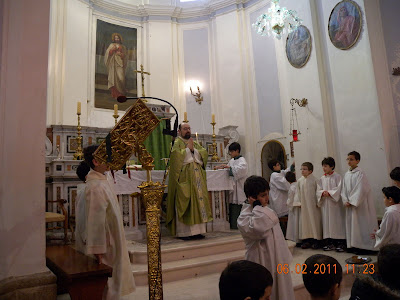
S. Messa per i Bambini di Catechismo:


Madame Irene Gaeta delivery Tau children


S. Mass 11:00


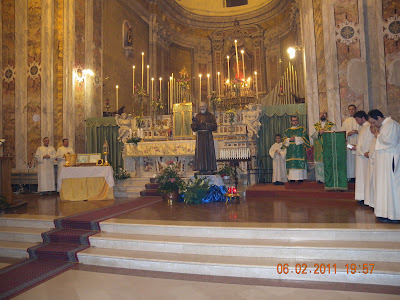
February 6 S. Closing Mass